

Discover the Benefits of Zero-Emission Solar Systems
Switching to solar energy is no longer just a trend - it’s a smart, sustainable choice for anyone looking to reduce their environmental impact and save money. As someone who’s passionate about clean energy, I want to share why zero-emission solar systems are becoming a game-changer, especially for homeowners and tiny home residents in New Zealand. Let’s explore how these systems work, their benefits, and practical tips to get started.
Why Zero-Emission Solar Systems Are the Future of Energy
Zero-emission solar systems are designed to generate electricity without releasing harmful greenhouse gases. Unlike traditional power sources that burn fossil fuels, these systems harness the sun’s energy directly, producing clean power that doesn’t pollute the air or contribute to climate change.
For New Zealand homes, this means a chance to tap into a renewable resource that’s abundant and free. Installing solar panels on your roof or property can significantly reduce your reliance on the grid, lower your electricity bills, and increase your energy independence.
Here are some key advantages of zero-emission solar systems:
Environmental Impact: They help cut carbon emissions, protecting the planet for future generations.
Cost Savings: Solar power reduces monthly energy costs and can increase property value.
Energy Security: With solar, you’re less vulnerable to power outages and fluctuating energy prices.
Government Incentives: Various schemes and rebates make solar installation more affordable.
How Zero-Emission Solar Systems Work in Your Home
Understanding how these systems operate can help you make informed decisions. A typical zero-emission solar setup includes solar panels, an inverter, and sometimes a battery storage system.
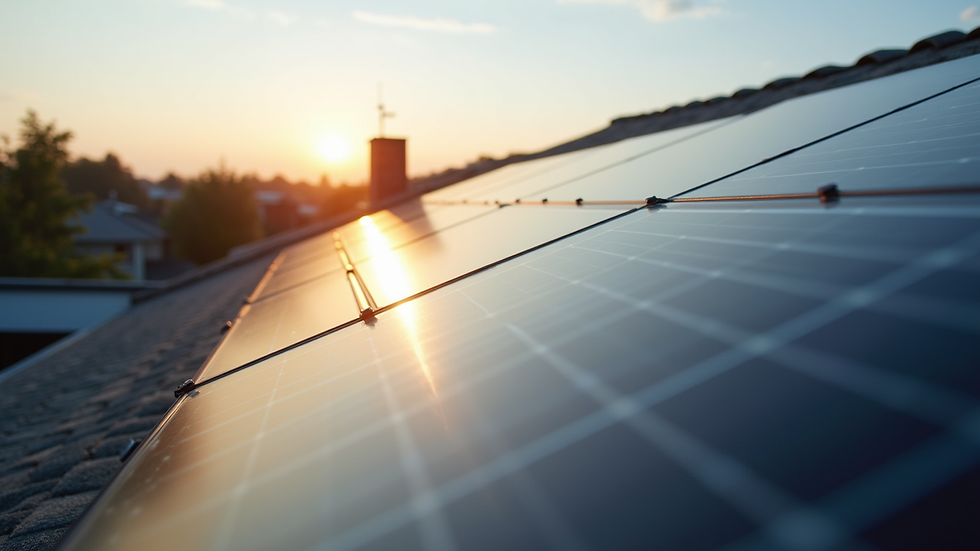
Solar Panels: These capture sunlight and convert it into direct current (DC) electricity.
Inverter: This device changes DC electricity into alternating current (AC), which powers your home appliances.
Battery Storage: Optional but highly beneficial, batteries store excess energy for use during cloudy days or at night.
For tiny home residents, solar systems can be scaled to fit smaller spaces without compromising energy needs. This flexibility makes solar a perfect match for off-grid living or reducing your carbon footprint in a compact lifestyle.
By choosing a zero carbon solar solution, you’re investing in technology that aligns with New Zealand’s goal of a sustainable energy future.
What is the 33% Rule in Solar Panels?
You might have heard about the 33% rule when considering solar panel installation. This guideline suggests that your solar system should cover at least 33% of your home’s energy consumption to be cost-effective and environmentally impactful.
Why 33%? Because this threshold balances the upfront investment with meaningful savings on your electricity bill. If your system produces less than a third of your energy needs, the payback period might be longer, and the environmental benefits less noticeable.
Here’s how to apply the 33% rule:
Calculate Your Energy Use: Review your electricity bills to find your average monthly consumption.
Determine Solar Output: Estimate how much energy your solar panels can generate based on your location and roof size.
Match or Exceed 33%: Aim for a system size that covers at least one-third of your energy needs.
This rule is a helpful starting point, but remember, every home is unique. Consulting with a solar expert can tailor the system to your lifestyle and budget.
Practical Tips for Installing Solar in New Zealand Homes
If you’re ready to make the switch, here are some actionable steps to ensure a smooth solar installation:
Assess Your Roof: Check for shading, orientation, and structural integrity. South-facing roofs in New Zealand get less sun, so north-facing is ideal.
Choose Quality Panels: Look for durable, efficient panels with good warranties.
Consider Battery Storage: Adding batteries can maximize your energy independence.
Get Multiple Quotes: Compare providers to find the best value and service.
Check Incentives: Explore government rebates or financing options to reduce upfront costs.
Plan for Maintenance: Solar panels require minimal upkeep but keep them clean and inspect periodically.
By following these tips, you can enjoy the full benefits of your zero-emission solar system for years to come.

Embracing a Cleaner, Greener Lifestyle with Solar Power
Switching to solar is more than just an upgrade to your home - it’s a commitment to a cleaner, greener future. By adopting zero-emission solar systems, you’re helping New Zealand reduce its carbon footprint and move towards energy independence.
Imagine powering your home with sunlight, knowing you’re contributing to a healthier planet. Plus, the financial savings and increased property value make solar a win-win choice.
If you’re curious about how to get started or want to explore options tailored to your home, don’t hesitate to reach out to local solar experts. They can guide you through the process and help you join the growing community of New Zealanders embracing sustainable energy.
Together, we can lead the charge towards a zero-carbon future, one solar panel at a time.


Comments