

Exploring the Benefits of Zero-Carbon Solar Solutions
Switching to solar energy is no longer just a trend; it’s becoming a necessity for a cleaner, more sustainable future. As someone who’s passionate about making smart energy choices, I want to share why zero-carbon solar solutions are a game-changer, especially for those living in New Zealand. Whether you own a traditional home or a tiny home, embracing solar power can bring you many benefits. Let’s dive into what makes these solutions so valuable and how they can transform your energy use.
Why Zero-Carbon Solar Solutions Matter
When we talk about zero-carbon solar solutions, we’re referring to solar power systems designed to produce electricity without releasing carbon emissions. This is crucial because traditional energy sources like coal and natural gas contribute heavily to greenhouse gases, which accelerate climate change.
In New Zealand, where the natural environment is a huge part of our identity, reducing carbon footprints is more than just a goal—it’s a responsibility. Zero-carbon solar solutions help by:
Reducing your household’s carbon emissions
Lowering electricity bills over time
Increasing energy independence
Supporting the country’s clean energy goals
Imagine powering your home with sunlight, a free and abundant resource, while knowing you’re helping protect New Zealand’s stunning landscapes and wildlife. That’s the power of zero-carbon solar.
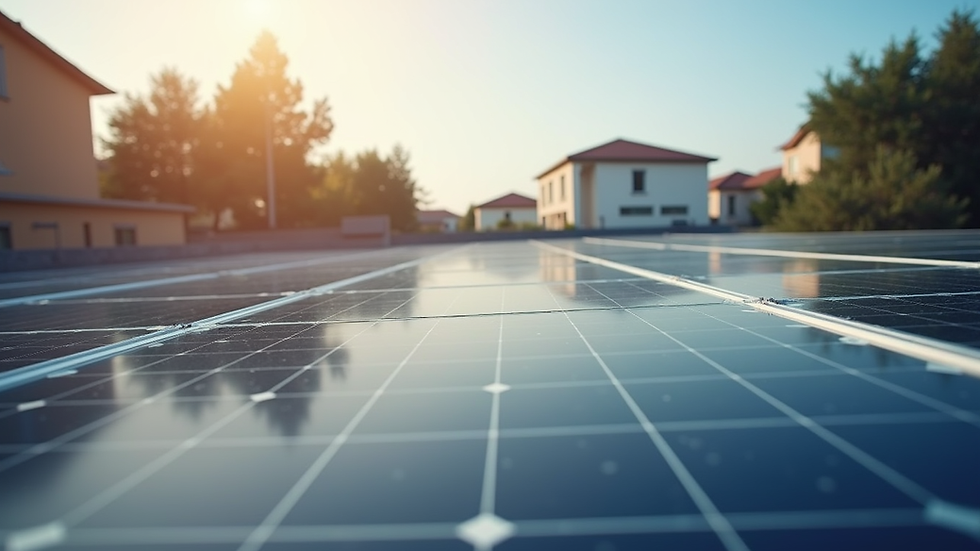
Solar panels installed on a residential rooftop in New Zealand
How Zero-Carbon Solar Solutions Work for Your Home
You might wonder how these solar solutions fit into your home setup. The process is straightforward and adaptable to different living spaces, including tiny homes.
Here’s how it works:
Solar panels capture sunlight and convert it into direct current (DC) electricity.
An inverter changes DC to alternating current (AC), which powers your home appliances.
Excess energy can be stored in batteries or fed back into the grid, earning you credits or reducing your bills.
For tiny home residents, solar systems can be scaled to fit smaller spaces without sacrificing power. Plus, modern solar panels are sleek and durable, blending well with various home styles.
One practical tip: consider installing a battery storage system. This allows you to use solar energy even when the sun isn’t shining, making your home more self-sufficient and resilient during power outages.
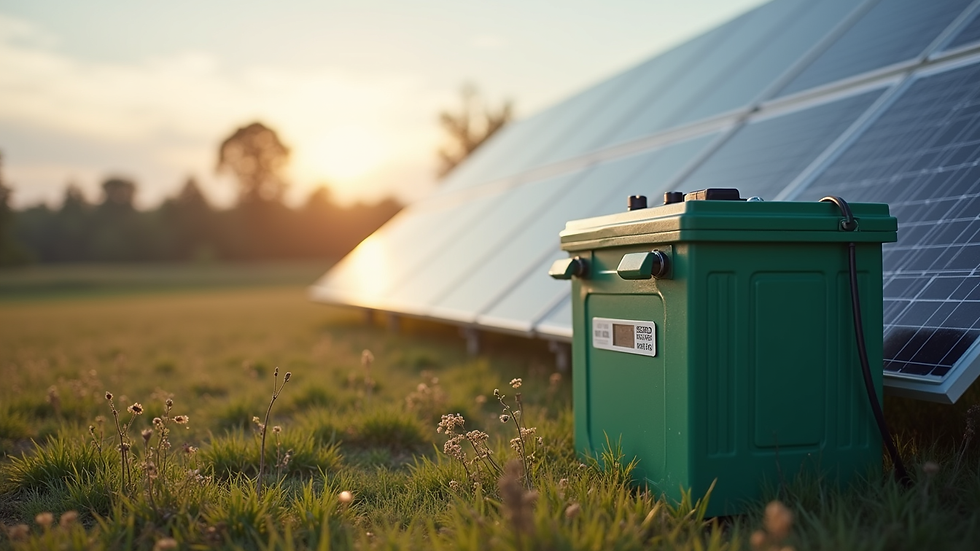
Solar battery storage unit installed next to solar panels
What is the 20% Rule for Solar Panels?
If you’re new to solar, you might have heard about the “20% rule” for solar panels. This guideline helps homeowners understand how much solar capacity they should install relative to their home’s energy consumption.
The 20% rule suggests that your solar system should generate about 20% of your total electricity needs. Why 20%? Because it’s a manageable starting point that balances cost, space, and energy savings without overwhelming your home’s electrical system.
For example, if your home uses 5,000 kWh annually, a solar system producing around 1,000 kWh per year would be a good fit. This approach helps you:
Avoid overspending on unnecessary solar capacity
Maximise the return on your investment
Ensure your system is efficient and effective
Of course, this rule isn’t set in stone. Your ideal solar setup depends on your energy habits, roof space, and budget. Consulting with a solar expert can help tailor the system to your specific needs.
Practical Benefits of Switching to Zero-Carbon Solar
Let’s get into the real-world advantages you’ll enjoy by adopting zero-carbon solar solutions:
1. Lower Energy Bills
Solar power reduces your reliance on the grid, which means smaller electricity bills. Over time, the savings can be significant, especially as energy prices rise.
2. Increased Home Value
Homes with solar installations often sell faster and at higher prices. Buyers appreciate the long-term savings and environmental benefits.
3. Energy Independence
Generating your own power means you’re less affected by outages or price hikes. This is especially valuable in remote or rural areas.
4. Environmental Impact
By using solar, you’re cutting down on fossil fuel use and reducing your carbon footprint. This helps combat climate change and protects New Zealand’s natural beauty.
5. Government Incentives
New Zealand offers various incentives and rebates to encourage solar adoption. These can help offset installation costs and make solar more affordable.
If you’re considering solar, start by assessing your home’s energy use and roof orientation. South-facing roofs get less sun, so north-facing panels are ideal in the Southern Hemisphere. Also, keep your panels clean and free from shade to maximise efficiency.
How to Get Started with Zero-Carbon Solar Today
Ready to make the switch? Here’s a simple roadmap to help you get started:
Evaluate your energy needs – Look at your past electricity bills to understand your consumption.
Check your roof’s suitability – Ensure it has enough space and good sun exposure.
Research solar providers – Look for companies with strong reputations and local experience.
Request a site assessment – A professional can recommend the best system size and setup.
Explore financing options – Many providers offer payment plans or loans to spread out costs.
Schedule installation – Once you’re ready, the installation process usually takes a few days.
Monitor your system – Use apps or monitoring tools to track your solar production and savings.
By following these steps, you’ll be well on your way to enjoying the benefits of solar power.
Switching to zero carbon solar is more than just an upgrade—it’s a commitment to a cleaner, brighter future. With the right information and support, you can make a positive impact on your home, your wallet, and the planet. Why wait? The sun is shining, and your zero-carbon solar journey can start today.


Comments