

Exploring the Zero-Carbon Solar Benefits for Your Home
Switching to solar energy is more than just a trend - it’s a smart, sustainable choice that can transform how you power your home. If you’ve been thinking about making the leap, you’re in the right place. I want to share with you the many zero-carbon solar benefits that make this energy source a game-changer, especially for those living in New Zealand’s unique environment. Let’s dive into why solar energy is not only good for the planet but also great for your wallet and lifestyle.
Why Zero-Carbon Solar Benefits Matter
When we talk about zero-carbon solar benefits, we’re referring to the positive impacts of using solar power that produces no carbon emissions. This means your energy comes from a clean, renewable source that doesn’t pollute the air or contribute to climate change. For New Zealand homeowners and tiny home residents, this is especially important because:
Cleaner air and environment: Solar energy reduces reliance on fossil fuels, which are the main culprits behind air pollution.
Energy independence: You generate your own power, reducing your dependence on the grid and protecting yourself from rising electricity prices.
Long-term savings: After the initial investment, solar panels can significantly cut your electricity bills.
Increased property value: Homes with solar installations often sell faster and at higher prices.
Imagine waking up every day knowing your home is powered by the sun, without harming the environment. That’s the kind of peace of mind zero-carbon solar energy offers.
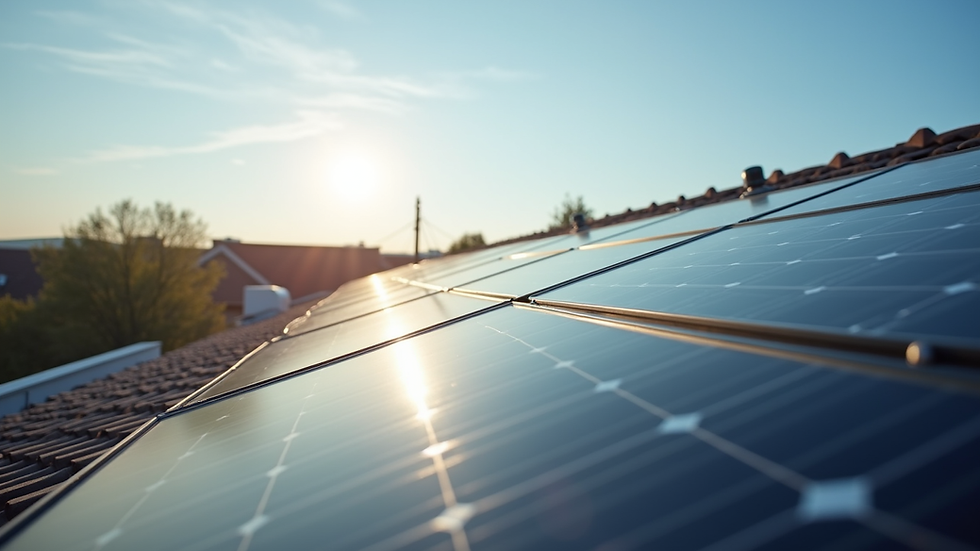
How Solar Energy Works for Your Home
Understanding how solar energy works can help you appreciate its benefits even more. Solar panels capture sunlight and convert it into electricity through photovoltaic cells. This electricity can then power your home appliances, lighting, and heating systems.
Here’s a simple breakdown:
Sunlight hits the solar panels installed on your roof.
Photovoltaic cells convert sunlight into direct current (DC) electricity.
An inverter changes DC electricity into alternating current (AC), which your home uses.
Excess energy can be stored in batteries or fed back into the grid, often earning you credits or payments.
This process is silent, clean, and requires very little maintenance. Plus, New Zealand’s sunny climate makes it an ideal place to harness solar power efficiently.
What is the 20% rule for solar panels?
You might have heard about the "20% rule" when it comes to solar panels. This rule suggests that your solar system should be sized to cover about 20% of your home’s total energy consumption. Why 20%? Because it strikes a balance between cost and benefit, making solar power affordable and effective without overspending on unnecessary capacity.
For example, if your household uses 10,000 kWh of electricity annually, a solar system designed to produce around 2,000 kWh per year would meet the 20% target. This approach helps you:
Reduce your electricity bills significantly without a huge upfront cost.
Avoid overproduction that might not be fully utilized or stored.
Plan for future energy needs as you become more energy-efficient or add battery storage.
Of course, every home is different, so it’s wise to consult with a solar expert who can tailor the system to your specific needs.
Financial and Environmental Benefits of Solar Power
One of the biggest draws of solar energy is the combination of financial savings and environmental responsibility. Let’s look at these benefits in more detail:
Financial Benefits
Lower electricity bills: Solar panels generate free electricity from the sun, reducing the amount you need to buy from your energy provider.
Government incentives: New Zealand offers various rebates and incentives to encourage solar adoption, making it more affordable.
Increased home value: Solar installations are attractive to buyers, often increasing your property’s market value.
Energy credits: If your system produces more energy than you use, you can sell the surplus back to the grid.
Environmental Benefits
Zero carbon emissions: Solar power produces no greenhouse gases during operation, helping combat climate change.
Reduced reliance on fossil fuels: By using solar, you help decrease demand for coal, oil, and gas.
Sustainable energy source: The sun’s energy is abundant and renewable, unlike finite fossil fuels.
Lower water usage: Unlike some power plants, solar panels don’t require water to generate electricity, conserving this precious resource.
By choosing solar, you’re making a positive impact on both your finances and the planet.

How to Maximise Your Solar Energy Use
Getting the most out of your solar system means more than just installing panels. Here are some practical tips to maximise your solar energy use:
Monitor your energy consumption: Use smart meters or apps to track when and how you use electricity.
Shift energy use to daylight hours: Run appliances like washing machines and dishwashers during the day when your panels produce the most power.
Invest in battery storage: Store excess energy generated during the day for use at night or during cloudy days.
Maintain your panels: Keep them clean and free from shade to ensure maximum efficiency.
Consider energy-efficient appliances: The less energy you use, the more your solar system can cover.
By adopting these habits, you can increase your energy independence and reduce your electricity bills even further.
Looking Ahead: The Future of Solar Energy in New Zealand
The future of solar energy in New Zealand looks bright. With growing awareness of climate change and the need for sustainable living, more homeowners and tiny home residents are turning to solar power. Innovations in solar technology, battery storage, and smart home systems are making solar energy more accessible and efficient than ever.
Plus, initiatives like zero carbon solar are leading the charge to make clean, affordable solar power available to everyone. This means more support, better financing options, and community programs to help you make the switch.
Imagine a future where your home not only powers itself but also contributes to a cleaner, greener New Zealand. That future is within reach, and solar energy is the key.
Choosing solar energy is a step towards a sustainable lifestyle that benefits you and the environment. With its many zero-carbon solar benefits, it’s a smart investment for your home and the planet. Ready to explore solar options? Start by assessing your energy needs and consulting with a trusted solar provider. Your journey to clean, affordable energy begins today.


Comments