

The Future of Energy: Sustainability at Its Core
- robelh48
- Jun 20, 2025
- 4 min read
As the world faces an increasing demand for energy and the looming threat of climate change, the focus shifts toward sustainable energy solutions. These solutions not only aim to reduce our carbon footprint but also to foster a future where energy is abundant, clean, and accessible for all. In this blog post, we will explore various aspects of sustainable energy, the technologies driving it, and the vital role it plays in our future.
Understanding Sustainable Energy
Sustainable energy refers to energy sources that are continuously replenished and have minimal environmental impact. Examples include solar, wind, and hydropower. As such, these energy sources can serve the needs of the present without compromising the ability of future generations to meet their own needs.
According to the International Energy Agency (IEA), renewable energy capacity is expected to grow by 50% over the next five years. This significant growth will contribute to cleaner air, lower greenhouse gas emissions, and reduced reliance on fossil fuels. Our shift towards sustainable energy sources is not just an aspiration but a requirement for a healthier planet.

The Importance of Sustainable Energy Solutions
The importance of sustainable energy solutions cannot be overstated. With the increase in global temperatures and the effects of climate change becoming more apparent, shifting to renewable energy sources is crucial for mitigating environmental risks.
Environmental Benefits: Renewable energy sources produce little to no greenhouse gas emissions. For instance, wind and solar energy power generation results in a fraction of the carbon footprint compared to fossil fuels.
Economic Growth: Transitioning to sustainable energy can also stimulate economic growth. The renewable energy sector has already created millions of jobs worldwide. Jobs in solar panel installation, wind turbine manufacturing, and maintenance offer opportunities for new employment and economic revitalization.
Energy Security: Renewable energy resources provide countries with greater energy independence. By harnessing local energy resources, nations can reduce their reliance on foreign oil or gas, thus enhancing national security.

What is a Sustainable Energy Solution?
A sustainable energy solution incorporates technology and practices that ensure energy generation and consumption are environmentally friendly, economically viable, and socially acceptable. Some of the key components of these solutions include:
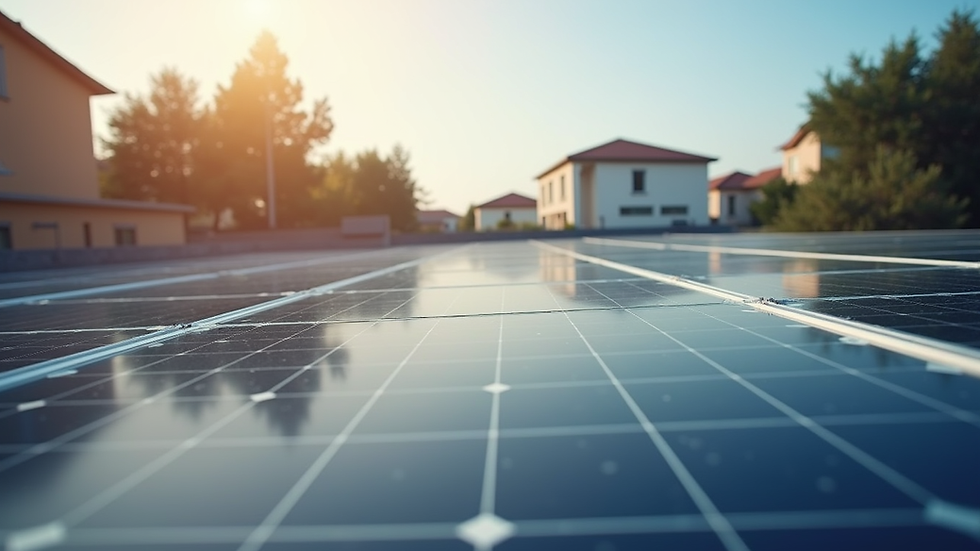
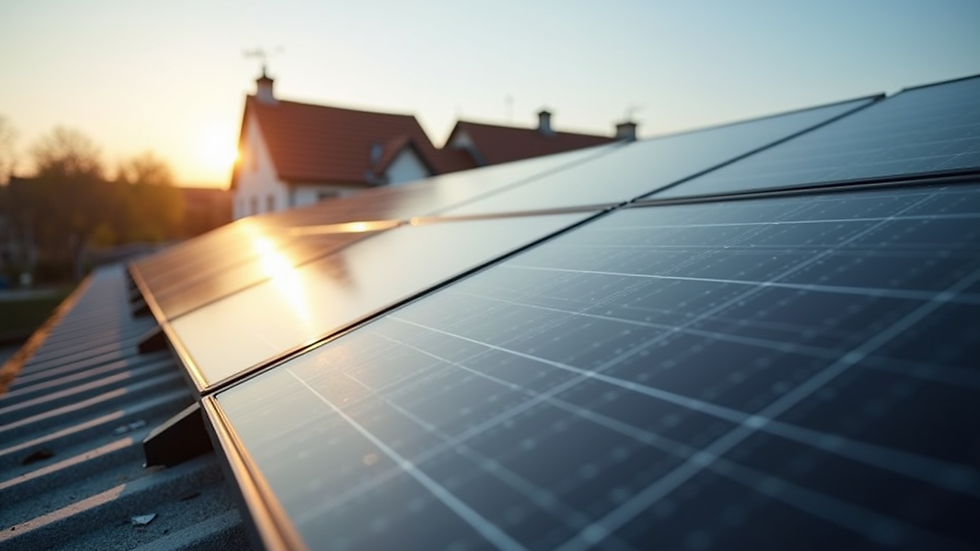
Solar Power: By converting sunlight into electricity through solar panels, this clean energy source has become increasingly popular. Solar power allows for both utility-scale projects and smaller, residential uses.
Wind Power: Wind farms harness the kinetic energy generated by wind. These setups can be found both onshore and offshore and are one of the fastest-growing renewable energy sources globally.
Hydropower: This energy source utilizes water flow to generate electricity. Dams and river turbines convert the energy of flowing water into electric power, contributing significantly to renewable energy generation.
Biomass: Biomass energy comes from organic materials like wood, agricultural crops, and waste products. This type of renewable energy can be used for electricity generation, heating, and transportation fuels.
Together, these technologies form a comprehensive approach to satisfy our energy needs sustainably. Transitioning to these methods is key to long-term sustainability.
Innovations in Renewable Energy Technologies
Technological advancements will play a critical role in the evolution of sustainable energy solutions. Here are some key innovations that are shaping the future:
Energy Storage: Battery technology, such as lithium-ion and solid-state batteries, is improving rapidly. These advancements allow us to store energy generated from renewable sources, making it available when the sun isn't shining, or the wind isn't blowing.
Smart Grids: Integrating renewable energy sources into traditional power grids can lead to better energy management and distribution. Smart grids use digital technology to monitor and manage energy flows, improving efficiency and reliability.
Enhanced Efficiency: New photovoltaic materials and turbine designs are making solar panels and wind turbines more efficient. Higher efficiency means that less energy needs to be produced, reducing overall resource consumption.
Microgrids: These localized energy systems can operate independently or together with the main power grid. They allow communities to harness locally available renewable resources, enhancing resilience and providing energy security.
Investing in these innovations not only enhances energy production but also ensures that we are prepared for the future energy landscape.
The Role of Policy and Community Engagement
Implementing sustainable energy solutions requires collaboration among governments, businesses, and communities. Policies that support renewable energy development are crucial for fostering a sustainable energy future.
Governments can:
Provide incentives for renewable energy adoption, such as tax credits and grants.
Set clear regulations for emissions and pollution standards.
Invest in renewable energy research and development.
Community engagement is equally vital. Educating the public about the benefits of renewable energy can foster support for sustainable projects. Participation in local energy initiatives encourages communities to take ownership of their energy solutions and empowers them to advocate for change.
The path toward a sustainable energy future is not without challenges. However, with consistent innovation, supportive policies, and community engagement, we can transition towards cleaner, more sustainable energy. If you're interested in discovering more about sustainable energy solutions, visit Zero Carbon Solar for practical resources and guidance.
Every small step towards sustainable practices counts. As individuals, we can contribute by adopting energy-efficient practices, supporting local initiatives, and advocating for policies that prioritize sustainability. Together, we can lay the foundation for a more sustainable future.

Comments