

Unlock the Benefits of Carbon-Free Solar Energy
Switching to solar energy is no longer just a trend; it’s a smart, sustainable choice that can transform how you power your home. For those living in New Zealand, especially homeowners and tiny home residents, embracing carbon-free solar energy offers a unique opportunity to reduce your environmental impact while saving money. I want to share with you why this shift matters, how it works, and practical steps you can take to make the most of solar power in your daily life.
Why Carbon-Free Solar Energy is a Game Changer
When we talk about carbon-free solar energy, we’re referring to electricity generated without releasing carbon dioxide or other greenhouse gases. This is crucial because traditional energy sources like coal and natural gas contribute heavily to climate change. By choosing solar, you’re tapping into a clean, renewable resource that’s abundant in New Zealand.
One of the biggest benefits is lower electricity bills. Solar panels convert sunlight into electricity, which means you rely less on the grid. Over time, this can lead to significant savings. Plus, solar energy systems often increase the value of your property, making it a smart investment.
Another advantage is energy independence. With solar panels, you generate your own power, reducing your vulnerability to rising energy prices and supply disruptions. This is especially important for tiny home residents who may live off-grid or in remote areas.
How Solar Energy Works for Your Home
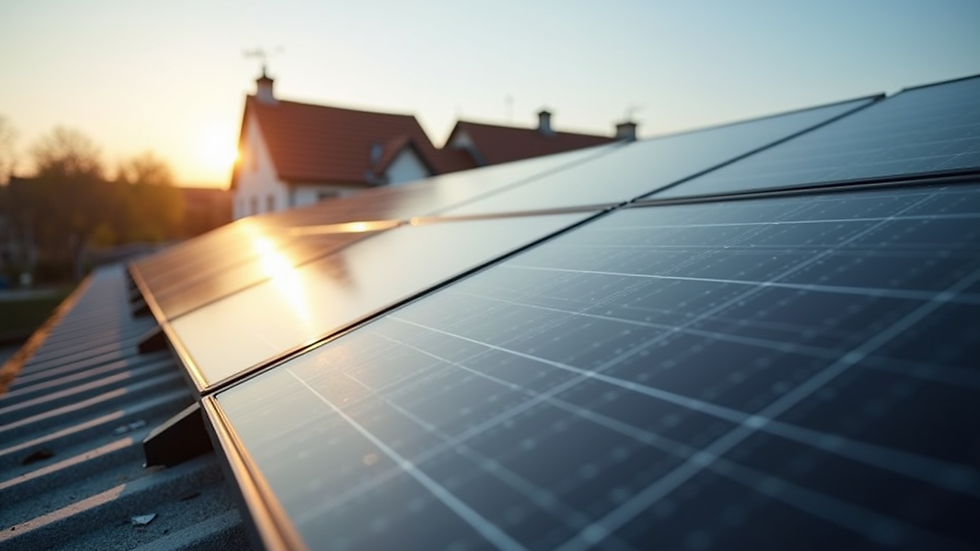
Understanding how solar energy works can help you appreciate its benefits even more. Solar panels are made up of photovoltaic (PV) cells that capture sunlight and convert it into direct current (DC) electricity. This DC electricity is then converted into alternating current (AC) by an inverter, which powers your home appliances.
The amount of energy your system produces depends on several factors:
Panel size and efficiency: Larger and more efficient panels generate more electricity.
Sunlight exposure: The more direct sunlight your panels receive, the better.
Orientation and tilt: Panels facing north (in the Southern Hemisphere) with the right angle capture the most sun.
Shading: Trees, buildings, or other obstructions can reduce output.
By optimizing these factors, you can maximize your solar energy production and enjoy consistent power throughout the year.
What is the 20% Rule for Solar Panels?
You might have heard about the "20% rule" when it comes to solar panel installation. This guideline suggests that your solar system should ideally cover at least 20% of your household’s energy consumption to make a noticeable impact on your electricity bills.
Why 20%? Because smaller systems might not generate enough power to justify the upfront cost, while larger systems can provide more savings and environmental benefits. For example, if your average monthly electricity use is 500 kWh, a solar system producing around 100 kWh per month (20%) can start to reduce your reliance on the grid significantly.
This rule is a helpful starting point, but your ideal system size depends on your specific energy needs, roof space, and budget. Consulting with a solar expert can help you find the perfect balance.
Practical Tips for Getting Started with Solar
If you’re ready to explore solar energy, here are some practical steps to guide you:
Assess your energy use: Review your electricity bills to understand your consumption patterns.
Evaluate your roof: Check for sun exposure, shading, and available space.
Research solar providers: Look for companies with good reputations and local experience.
Consider financing options: Many providers offer payment plans or government incentives.
Plan for future needs: Think about whether you want to add battery storage or expand your system later.
By taking these steps, you’ll be well on your way to enjoying the benefits of solar power.

Why Choose Zero Carbon Solar?
When it comes to making the switch, choosing the right partner is key. Zero Carbon Solar is dedicated to transforming New Zealand’s energy landscape by making clean, affordable, and sustainable solar power accessible to everyone. Their mission aligns perfectly with the goal of creating a zero-carbon future for the country.
They offer tailored solutions for both traditional homes and tiny homes, ensuring that your solar system fits your lifestyle and energy needs. Plus, their team provides expert advice, quality installation, and ongoing support to help you get the most out of your investment.
Embracing a Sustainable Future
Switching to carbon-free solar energy is more than just a smart financial decision. It’s a commitment to protecting the environment and reducing your carbon footprint. Every kilowatt-hour of solar power you generate helps reduce reliance on fossil fuels and lowers greenhouse gas emissions.
Imagine the impact if more New Zealand homes embraced solar power. Together, we can lead the charge toward a cleaner, greener future. Whether you live in a spacious family home or a cozy tiny home, solar energy offers a practical, effective way to make a difference.
So, why wait? Start exploring your solar options today and unlock the many benefits of clean, renewable energy.
By choosing solar, you’re not just investing in your home—you’re investing in the planet’s future. Let’s make New Zealand a shining example of sustainability, one rooftop at a time.


Comments