

Why Zero-Emission Solar Energy is the Future
Solar energy is no longer just a buzzword or a niche option for eco-conscious individuals. It’s becoming a mainstream solution for powering homes and communities, especially here in New Zealand. As someone who’s passionate about sustainable living, I want to share why zero-emission solar energy is the future for homeowners and tiny home residents alike. It’s clean, affordable, and practical — and it’s ready to transform how we think about energy.
The Rise of Zero-Emission Solar Energy in New Zealand
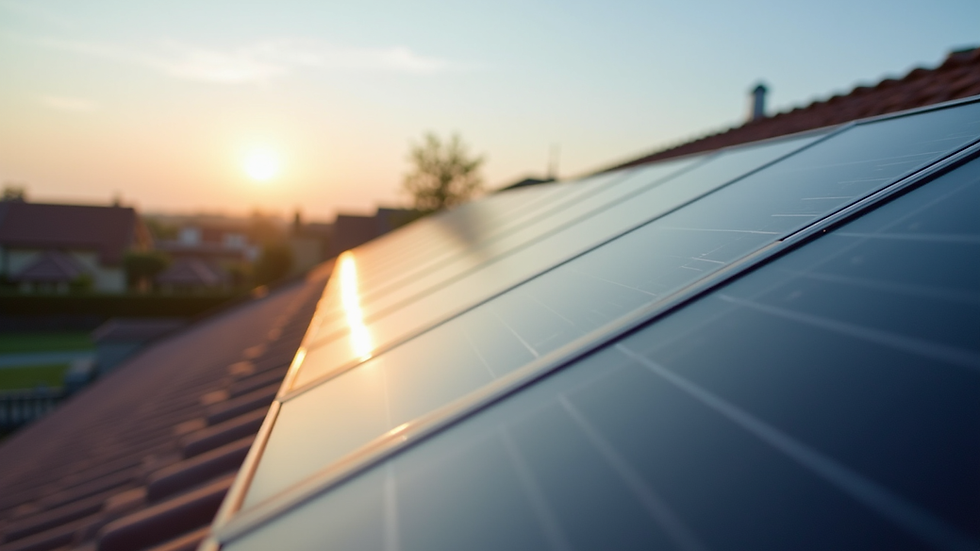
New Zealand’s natural beauty and commitment to sustainability make it the perfect place to embrace zero-emission solar energy. With abundant sunlight throughout the year, solar panels can generate a significant portion of the electricity needed for homes, reducing reliance on fossil fuels.
What makes zero-emission solar energy stand out is its ability to produce power without releasing harmful greenhouse gases. Unlike coal or natural gas, solar panels convert sunlight directly into electricity without pollution. This means cleaner air, a healthier environment, and a smaller carbon footprint for every household.
For homeowners and tiny home residents, this shift is more than just an environmental choice. It’s a way to save money on energy bills, increase property value, and gain energy independence. Imagine not worrying about rising electricity costs or power outages because your home generates its own clean energy.
How Zero-Emission Solar Energy Benefits Your Home and Community
Switching to zero-emission solar energy offers many practical benefits. Here are some key advantages that make it a smart investment:
Lower Energy Bills: Solar panels reduce the amount of electricity you need to buy from the grid. Over time, this can lead to significant savings.
Energy Independence: With solar power, you’re less affected by power outages or price hikes.
Increased Property Value: Homes with solar installations often sell faster and at higher prices.
Environmental Impact: Solar energy reduces carbon emissions and helps combat climate change.
Government Incentives: Various rebates and incentives make solar installation more affordable.
For tiny home residents, solar energy is especially appealing because it supports off-grid living. You can power your essentials without relying on traditional utilities, making your lifestyle more flexible and sustainable.
What is the 20% Rule for Solar Panels?
If you’re considering solar panels, you might have heard about the “20% rule.” This guideline helps homeowners understand how much solar capacity they should install relative to their home’s energy consumption.
The 20% rule suggests that your solar system should generate about 20% of your annual electricity needs. This balance ensures you get a good return on investment without oversizing your system, which can be costly and inefficient.
For example, if your home uses 5,000 kWh of electricity per year, a solar system designed to produce around 1,000 kWh annually would follow the 20% rule. This approach helps you start small and expand later if needed.
Why is this rule helpful? It keeps your solar setup manageable and cost-effective. You avoid paying for more panels than you need while still making a meaningful impact on your energy bills and carbon footprint.
Practical Tips for Installing Solar Panels on Your Home
Installing solar panels might seem complicated, but it doesn’t have to be. Here are some practical tips to help you get started:
Assess Your Energy Needs: Look at your past electricity bills to understand your average usage.
Evaluate Your Roof: Check if your roof gets enough sunlight and is structurally sound.
Choose the Right System Size: Use the 20% rule as a starting point and consult with a solar expert.
Consider Battery Storage: Batteries store excess energy for use at night or during cloudy days.
Get Multiple Quotes: Compare prices and services from different solar providers.
Check for Incentives: Look into government rebates or local programs that can reduce costs.
Plan for Maintenance: Solar panels require minimal upkeep but should be cleaned and inspected regularly.
By following these steps, you can ensure your solar installation is efficient, affordable, and tailored to your home’s needs.

Why I Believe Zero-Emission Solar Energy is the Path Forward
As someone who cares deeply about the environment and practical solutions, I truly believe zero-emission solar energy is the future. It’s not just about reducing carbon footprints — it’s about creating a better quality of life for everyone.
The technology is proven, the benefits are clear, and the costs are coming down every year. More importantly, solar energy empowers us to take control of our power sources and contribute to a cleaner planet.
If you’re thinking about making the switch, remember that every panel installed is a step toward a sustainable future. And if you want to learn more about how to make this happen, exploring options with zero carbon solar providers can be a great place to start.
Together, we can lead New Zealand toward a zero-carbon future — one home at a time.


Comments