

Exploring the Potential of Zero Carbon Solar Energy
- robelh48
- Apr 6
- 4 min read
When I first started looking into renewable energy options for my home, I was amazed by how much solar power has evolved. Solar energy is no longer just a niche choice for environmentally conscious folks; it’s becoming a practical, affordable, and sustainable solution for many New Zealand homeowners and tiny home residents. Today, I want to share what I’ve learned about the exciting potential of zero carbon solar energy and how it can transform the way we power our homes.
Why Zero Carbon Solar Energy Matters for New Zealand Homes
New Zealand is blessed with abundant sunshine, making solar energy a natural fit for our homes. But beyond just harnessing the sun’s power, zero carbon solar energy focuses on eliminating carbon emissions throughout the entire energy cycle. This means not only generating clean electricity but also reducing the carbon footprint associated with manufacturing, installation, and maintenance.
For homeowners and tiny home residents, this approach offers several benefits:
Lower electricity bills: Solar panels can significantly reduce your reliance on the grid.
Energy independence: Generate your own power and reduce vulnerability to price hikes.
Environmental impact: Help New Zealand meet its climate goals by cutting greenhouse gas emissions.
Increased property value: Homes with solar installations often attract higher market prices.
By choosing zero carbon solar energy, you’re not just investing in your home—you’re investing in a cleaner, greener future for the entire country.

How Zero Carbon Solar Energy Works in Practice
You might wonder how zero carbon solar energy differs from traditional solar power. The key lies in the entire lifecycle of the solar system. From sourcing materials to installation and eventual recycling, every step aims to minimize carbon emissions.
Here’s a breakdown of how this works:
Sustainable materials: Using solar panels made with eco-friendly processes and recyclable components.
Efficient manufacturing: Factories powered by renewable energy to reduce emissions during production.
Local installation: Hiring local installers reduces transportation emissions and supports the community.
Smart energy management: Combining solar with battery storage and energy-efficient appliances to maximize usage.
End-of-life recycling: Ensuring panels and batteries are recycled responsibly to avoid landfill waste.
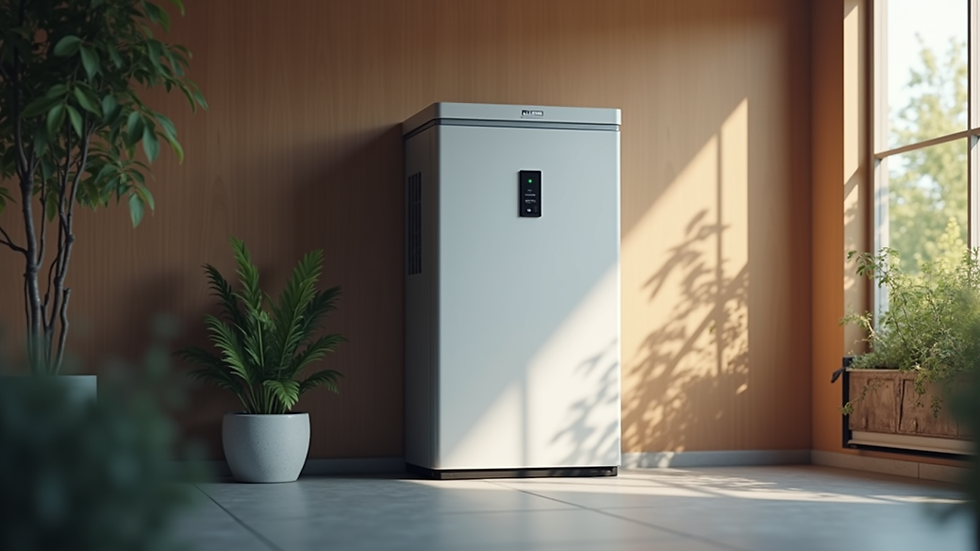
For example, some New Zealand companies now offer solar panels with a lower carbon footprint by sourcing materials closer to home and using cleaner manufacturing methods. Pairing these panels with home battery systems means you can store excess energy during the day and use it at night, reducing your need for fossil-fuel-generated electricity.
What is the 20% Rule for Solar Panels?
If you’re considering solar for your home, you might have heard about the “20% rule.” This guideline suggests that your solar system should be sized to cover about 20% of your household’s electricity consumption. Why 20%? It’s a practical starting point that balances cost, energy savings, and system efficiency.
Here’s why the 20% rule matters:
Cost-effectiveness: Installing a system that covers 20% of your usage often provides the best return on investment.
Grid stability: It helps avoid overloading the local grid with excess solar power.
Energy balance: You still draw some power from the grid when needed, ensuring reliability.
Of course, this rule isn’t set in stone. If you have a larger budget or want to maximize your energy independence, you can install a bigger system. Conversely, smaller systems might suit tiny homes or those with lower energy needs.
To figure out the right size for your home, start by reviewing your electricity bills to understand your average consumption. Then, consult with a solar installer who can recommend a system tailored to your lifestyle and roof space.
Practical Tips for Getting Started with Zero Carbon Solar
Taking the leap into solar energy can feel overwhelming, but breaking it down into manageable steps makes it easier. Here are some practical tips to help you get started:
Assess your home’s solar potential: Check your roof’s orientation, shading, and size. South-facing roofs get less sun, while north-facing roofs are ideal in New Zealand.
Calculate your energy needs: Look at your past electricity bills to estimate how much power you use monthly.
Research local incentives: Some regions offer rebates or grants for solar installations.
Choose quality equipment: Invest in reliable solar panels and inverters with good warranties.
Consider battery storage: Batteries increase your energy independence and help you use solar power even when the sun isn’t shining.
Hire certified installers: Professional installation ensures safety and system efficiency.
Monitor your system: Use apps or monitoring tools to track your solar production and consumption.
By following these steps, you can make informed decisions and enjoy the benefits of solar energy without surprises.
The Future of Solar Energy in New Zealand Homes
Looking ahead, the future of solar energy in New Zealand is bright. Advances in technology, falling costs, and growing awareness are driving more homeowners to adopt solar solutions. Tiny home residents, in particular, benefit from solar’s flexibility and scalability.
Imagine a future where most homes generate their own clean energy, store it efficiently, and share excess power with neighbours. This vision aligns perfectly with New Zealand’s commitment to sustainability and reducing carbon emissions.
If you want to be part of this exciting transition, exploring zero carbon solar options is a great place to start. It’s not just about saving money—it’s about creating a healthier environment for future generations.
Solar energy is no longer a distant dream. It’s a practical, accessible, and powerful tool that can transform your home and community. Why not take the first step today?
I hope this post has given you a clearer picture of how zero carbon solar energy can work for your home. Whether you live in a traditional house or a tiny home, the potential to harness clean, affordable solar power is within reach. The sun is shining—let’s make the most of it!


Comments