

Zero Carbon Energy: A Cleaner Future with Solar Power
- robelh48
- Apr 20
- 4 min read
As we look toward a cleaner, more sustainable future, the role of renewable energy becomes clearer every day. Solar power, in particular, stands out as a practical and effective solution for reducing our carbon footprint. Living in New Zealand, where natural resources are abundant, we have a unique opportunity to embrace solar energy and move toward a zero-carbon future. Today, I want to share insights on how solar power can transform our homes and communities, making energy cleaner, more affordable, and accessible for everyone.
Embracing Zero Carbon Energy in New Zealand Homes
New Zealand’s energy landscape is evolving rapidly. With increasing awareness of climate change and environmental responsibility, many homeowners and tiny home residents are exploring renewable energy options. Zero carbon energy means producing power without releasing carbon dioxide or other greenhouse gases that contribute to global warming. Solar energy fits perfectly into this vision.
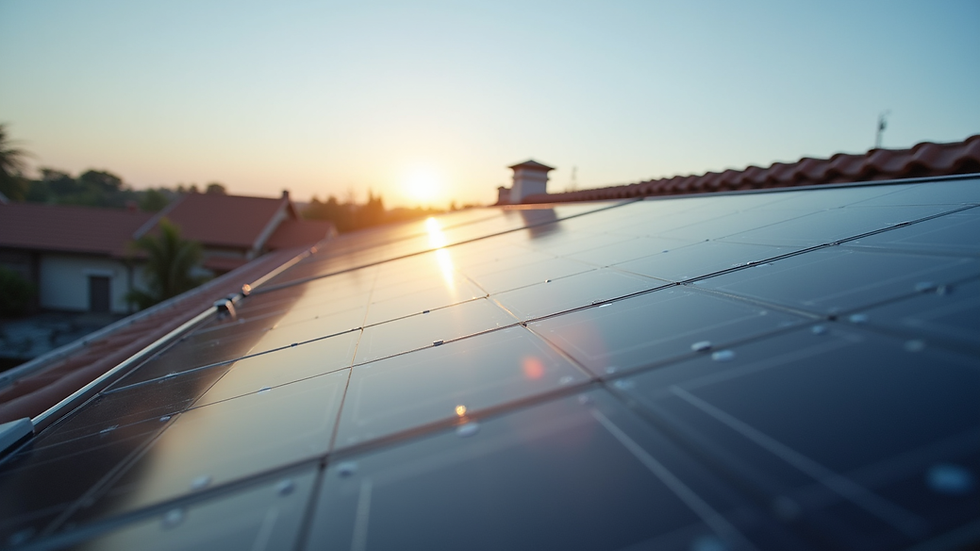
Installing solar panels on your roof is one of the most straightforward ways to generate clean electricity. It reduces reliance on fossil fuels and lowers your electricity bills. Plus, solar technology has become more affordable and efficient over the years, making it accessible to a wider range of households.
Here are some practical benefits of switching to solar energy:
Lower energy costs: Solar panels can significantly reduce your monthly electricity bills.
Energy independence: Generate your own power and reduce dependence on the grid.
Environmental impact: Cut down on carbon emissions and help protect New Zealand’s natural beauty.
Increase property value: Homes with solar installations often have higher resale values.
How Solar Power Supports a Zero Carbon Energy Future
Solar power is a cornerstone of any zero carbon energy strategy. It harnesses the sun’s energy, which is abundant and free, to produce electricity without harmful emissions. Unlike coal or natural gas, solar panels do not emit carbon dioxide during operation. This makes them an essential tool in reducing New Zealand’s overall carbon footprint.
Moreover, solar energy systems can be paired with battery storage to provide power even when the sun isn’t shining. This means you can enjoy a reliable energy supply day and night, further reducing the need for fossil fuel backup.
Transitioning to solar power also supports New Zealand’s national goals for sustainability and climate action. By adopting solar, we contribute to:
Meeting renewable energy targets
Reducing greenhouse gas emissions
Creating green jobs in the solar industry
Enhancing energy security and resilience
What is the 20% Rule for Solar Panels?
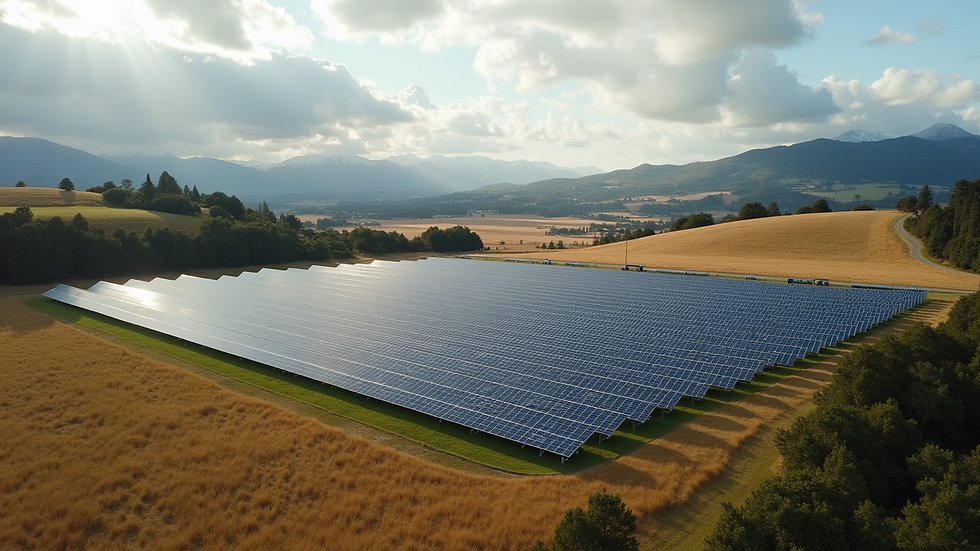
If you’re considering installing solar panels, you might have heard about the "20% rule." This guideline helps homeowners understand how much solar capacity they should install relative to their household’s energy consumption.
The 20% rule suggests that your solar system should generate about 20% of your annual electricity needs. This balance ensures you get a good return on investment without oversizing your system, which can be costly and inefficient.
Here’s how to apply the 20% rule:
Calculate your annual electricity usage: Check your electricity bills to find your yearly consumption in kilowatt-hours (kWh).
Determine 20% of that amount: Multiply your annual usage by 0.20.
Size your solar system accordingly: Choose a solar panel system that can produce that amount of energy annually.
For example, if your home uses 5,000 kWh per year, a solar system that generates around 1,000 kWh annually would be ideal. This approach helps you maximize savings and reduce your carbon footprint without unnecessary expenses.
Practical Tips for Installing Solar Panels in Your Home
Thinking about going solar? Here are some actionable recommendations to make the process smooth and effective:
Assess your roof: Ensure your roof has good sun exposure, minimal shading, and enough space for panels.
Choose quality equipment: Invest in reliable solar panels and inverters with good warranties.
Work with certified installers: Professional installation ensures safety and optimal system performance.
Consider battery storage: Adding batteries can increase your energy independence.
Check for incentives: Look into government rebates or local programs that support solar adoption.
Monitor your system: Use apps or monitoring tools to track energy production and usage.
By following these steps, you can enjoy the full benefits of solar power while contributing to a cleaner environment.
Why Zero Carbon Solar Matters for New Zealand’s Future
The transition to renewable energy is not just a trend; it’s a necessity. New Zealand’s commitment to sustainability means we need to adopt solutions that reduce emissions and protect our environment. Zero carbon solar plays a vital role in this journey.
By choosing solar power, you’re not only saving money but also helping to:
Reduce air pollution and health risks
Preserve natural habitats and biodiversity
Support local economies and green jobs
Build a resilient energy system for future generations
Imagine a New Zealand where every home and tiny house runs on clean, renewable energy. That future is within reach, and it starts with each of us making smart energy choices today.
Taking the First Step Toward a Cleaner Home
Switching to solar energy is easier than you might think. Start by researching your options, consulting with experts, and evaluating your home’s energy needs. Remember, every small step counts toward a larger goal of sustainability.
If you’re ready to explore solar solutions, consider reaching out to local providers who understand New Zealand’s unique climate and energy landscape. They can guide you through the process and help you find the best system for your home.
Together, we can lead the charge toward a zero-carbon future, one solar panel at a time.
By embracing solar power, we’re not just investing in our homes—we’re investing in the planet. Let’s make the switch to clean, affordable, and sustainable energy and create a brighter future for New Zealand.


Comments